Dry Cupping Therapy and Moving Cupping: What You Should Know
Relief Plus Wellness Team · May 3, 2026 · 3 min read
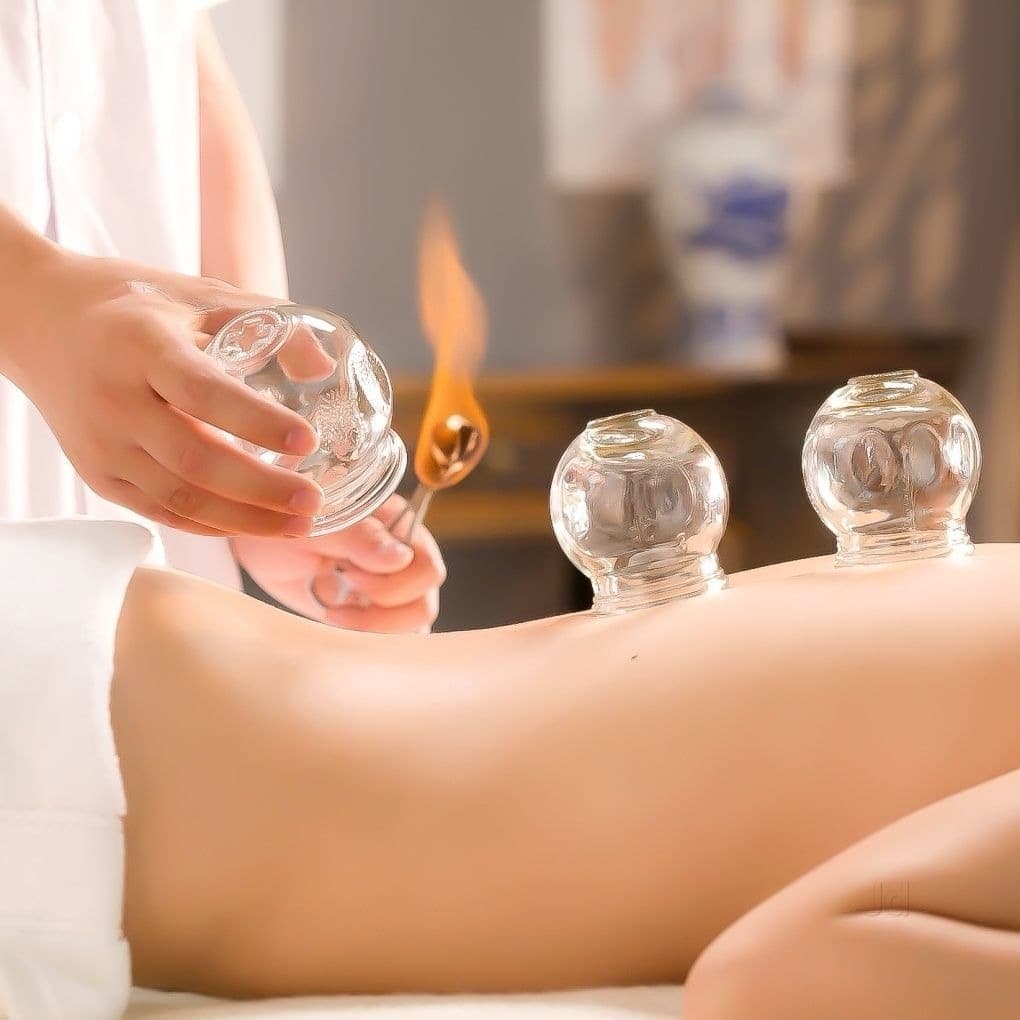
Cupping therapy has been practiced for thousands of years and remains a popular complementary wellness treatment. At Relief Plus Wellness, we offer Dry Cupping Therapy and Moving Cupping using modern hygiene standards and evidence-informed care.
What Is Dry Cupping Therapy?
Dry cupping uses specially designed cups to create gentle suction on the skin without making incisions or removing blood. The suction may help reduce muscle tension, promote relaxation, and support overall wellness.
What Is Moving Cupping?
Moving cupping is a variation of dry cupping where massage oil is applied before the cups are gently moved across larger muscle groups. This technique combines massage with suction to create a comfortable treatment experience.
How Does Cupping Work?
Traditional Chinese Medicine describes cupping as helping restore the flow of Qi (energy). From a modern perspective, researchers believe cupping may influence local blood circulation, connective tissues, muscle tension, pain perception, and the nervous system.
What Happens During Your First Appointment?
Your practitioner will begin with a health consultation, asking about your symptoms, medical history, medications, skin conditions, pregnancy, and previous cupping experience before determining whether treatment is appropriate.
During Dry Cupping
The treatment area is cleaned before cups are applied with controlled suction and left in place for approximately 5 to 15 minutes. Most people feel a gentle pulling sensation rather than pain.
During Moving Cupping
Massage oil is applied before the cups are gently glided over the muscles while maintaining light suction. Many clients describe the experience as similar to a deep tissue massage combined with gentle suction.
Will It Leave Marks?
Stationary dry cupping often leaves temporary circular marks that range from light pink to dark purple and usually fade within 3 to 14 days. Moving cupping typically produces lighter redness with fewer noticeable marks.
Does Cupping Hurt?
Most clients describe cupping as unusual rather than painful. You may feel pulling, pressure, warmth, or tightness. If the suction feels uncomfortable, your practitioner can adjust it immediately.
Potential Benefits
People often choose Dry Cupping Therapy and Moving Cupping to help promote relaxation, temporarily reduce muscle tension, ease neck and shoulder discomfort, relieve back stiffness, and support overall wellness.
What Does the Research Say?
Research suggests cupping therapy may provide short-term relief for certain musculoskeletal conditions, including neck pain, low back pain, and shoulder discomfort. However, more high-quality studies are needed, and cupping should be viewed as a complementary wellness therapy rather than a cure for disease.
How Should You Prepare?
Wear loose clothing, stay hydrated, eat a light meal beforehand, avoid applying lotions to the treatment area, and inform your practitioner about any medications or medical conditions.
What Happens After Treatment?
After treatment, you may notice temporary skin marks, mild soreness, relaxation, and warmth in the treated area. Staying hydrated and avoiding strenuous exercise if you're sore may help you feel more comfortable.
Who Should Avoid Dry Cupping?
Dry cupping may not be appropriate for people with bleeding disorders, those taking anticoagulant medication, open wounds, active skin infections, deep vein thrombosis (DVT), certain cancers without medical clearance, fever, or acute illness. Pregnant individuals should inform their practitioner before treatment.
Frequently Asked Questions
Are the circular marks dangerous?
No. The marks are a normal response to suction and usually fade naturally within several days to two weeks.
Is moving cupping better than stationary cupping?
Neither technique is universally better. Your practitioner will recommend the approach that best suits your needs and treatment goals.
Can cupping remove toxins?
No. There is no scientific evidence that dry cupping removes toxins from the body. The liver, kidneys, lungs, and digestive system naturally perform that function.
Can cupping improve athletic recovery?
Some athletes include cupping as part of their recovery routine, but scientific evidence supporting improved athletic performance or faster recovery remains limited.
How often should I receive cupping?
The ideal frequency depends on your health goals, symptoms, and your practitioner's assessment. Some people schedule occasional sessions, while others include cupping as part of an ongoing wellness routine.
Choosing a Qualified Practitioner
Choose a practitioner who performs a health assessment, explains possible side effects, uses clean and sanitized equipment, applies appropriate suction, tailors treatment to your needs, and encourages open communication throughout your session.
Final Thoughts
Dry Cupping Therapy and Moving Cupping are complementary wellness treatments that many people enjoy for relaxation and temporary relief from muscle tension. At Relief Plus Wellness, we provide safe, individualized, and evidence-informed care to help you decide whether cupping therapy is appropriate for your wellness goals.
Relief Plus Wellness proudly serves patients from Leslieville, The Beaches, East York, Riverdale, Danforth, Greenwood-Coxwell, Upper Beaches, Little India, Scarborough, Downtown Toronto, and surrounding East Toronto communities.
Related Pages