Facial Cupping: What to Expect Before Your First Session
Relief Plus Wellness Team · July 31, 2026 · 8 min read
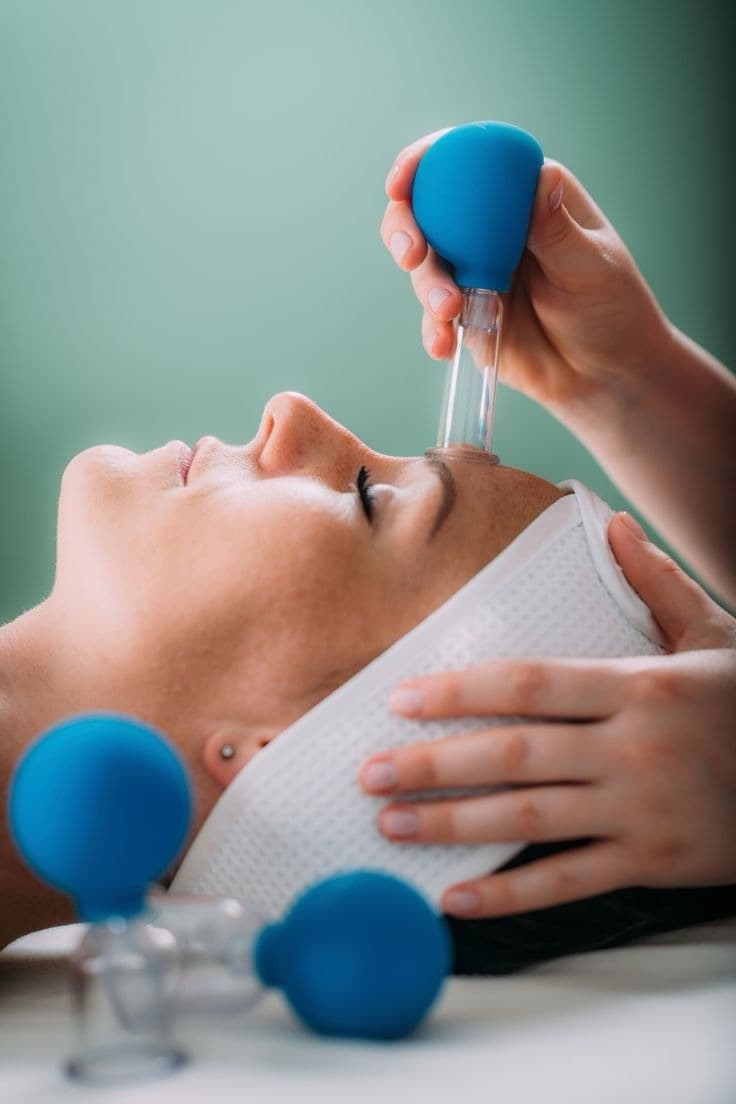
Facial cupping has become increasingly popular as both a wellness and cosmetic treatment. Unlike traditional body cupping, facial cupping uses small, soft cups with gentle suction that glide across the face instead of remaining in one place. The goal is to promote relaxation, support healthy-looking skin, and complement an overall skincare routine.
At Relief Plus Wellness, we provide professional facial cupping treatments in Toronto and East Toronto using gentle techniques tailored to each client's comfort and skin condition. This guide explains what you can expect before, during, and after your first appointment while reviewing the current scientific evidence.
What Is Facial Cupping?
Facial cupping is a gentle form of cupping therapy that uses small silicone or glass cups to create light suction on the skin. Unlike body cupping, where cups may remain stationary for several minutes, facial cupping involves continuously moving the cups across the skin with the help of facial oil or serum.
The treatment commonly focuses on:
- Forehead
- Cheeks
- Jawline
- Chin
- Neck
The suction used on the face is much lighter than the suction used during traditional body cupping.
How Is Facial Cupping Different from Traditional Cupping?
Traditional body cupping often uses stronger suction to target muscles and connective tissues and may intentionally leave temporary circular marks. Facial cupping differs because:
- The suction is significantly lighter.
- The cups are constantly moving.
- Bruising is generally avoided.
- The focus is on the skin and superficial tissues rather than deep muscle layers.
A properly performed facial cupping treatment should not leave the dark circular marks commonly associated with traditional body cupping.
Why Do People Choose Facial Cupping?
People choose facial cupping for a variety of wellness and self-care reasons.
- Relaxation
- Facial muscle tension
- Self-care
- A refreshed appearance before special events
- Part of a holistic skincare routine
Some individuals also hope facial cupping may improve skin tone or reduce puffiness. However, these cosmetic benefits are not fully supported by strong scientific evidence.
What Happens During Your First Appointment?
Before treatment begins, your practitioner will discuss your health history and skincare concerns. You may be asked about skin sensitivity, acne, rosacea, recent cosmetic procedures, facial fillers or Botox, allergies, medications, and pregnancy. This consultation helps determine whether facial cupping is appropriate and whether any modifications are needed.
During the Treatment
Your practitioner will begin by cleansing your skin if necessary. A facial oil or serum is then applied so the cups can glide smoothly across the skin.
- Gentle gliding movements
- Light suction
- Slow, rhythmic strokes
- Treatment across the neck, jawline, cheeks, forehead, and temples
The session is generally relaxing and should not be painful. Most appointments last between 30 and 60 minutes.
Will It Leave Marks?
In most cases, properly performed facial cupping does not leave the dark circular marks associated with traditional body cupping. Some clients experience temporary mild redness, warmth, or slight flushing that usually disappears within a few hours. Bruising is uncommon when gentle facial techniques are used.
Does Facial Cupping Hurt?
Most clients describe the sensation as gentle pulling, light suction, relaxing warmth, and mild pressure. If the suction feels uncomfortable, your practitioner can immediately reduce the intensity.
Potential Benefits
Some people report that facial cupping helps them experience:
- Relaxation
- Reduced facial muscle tension
- Temporary reduction in facial puffiness
- A refreshed appearance
- Improved sense of well-being
These experiences vary from person to person.
What Does the Research Say?
Scientific research on facial cupping is still limited. Some small studies suggest facial massage techniques, including facial cupping, may temporarily increase local blood circulation and reduce perceived facial tension. However, there is insufficient high-quality evidence to conclude that facial cupping reduces wrinkles, stimulates collagen production, provides anti-aging effects, or permanently improves skin elasticity.
At Relief Plus Wellness, we present facial cupping as a complementary wellness treatment rather than a proven cosmetic procedure.
Preparing for Your Appointment
- Arrive with clean skin if possible.
- Avoid heavy makeup.
- Stay hydrated.
- Inform your practitioner about recent cosmetic treatments.
- Mention any skin conditions or allergies.
You may be advised to postpone treatment if your skin is sunburned, irritated, or healing from a recent cosmetic procedure.
What Happens After Treatment?
Following your session, your skin may appear slightly pink, warm, or refreshed. These effects are usually temporary.
- Drink plenty of water.
- Avoid excessive heat such as saunas or hot tubs.
- Protect your skin with sunscreen if you'll be outdoors.
- Follow your normal gentle skincare routine unless advised otherwise.
Who Should Avoid Facial Cupping?
- Active skin infections
- Open wounds
- Severe acne flare-ups
- Sunburn
- Recent facial surgery
- Certain bleeding disorders
- Uncontrolled rosacea (depending on severity)
If you've recently had Botox, dermal fillers, chemical peels, or laser treatments, consult both your cosmetic provider and your practitioner before receiving facial cupping.
Frequently Asked Questions
Can facial cupping replace Botox or fillers?
No. Facial cupping is a wellness treatment and should not be considered an alternative to cosmetic medical procedures.
Is facial cupping safe?
When performed by a trained practitioner using appropriate techniques, facial cupping is generally considered safe for most healthy adults.
How often should I receive facial cupping?
The appropriate frequency depends on your individual goals and skin condition. Your practitioner can recommend a schedule based on your needs.
Can facial cupping treat acne?
There is currently insufficient evidence to support facial cupping as an effective treatment for acne. Individuals with active acne should discuss appropriate skincare options with a qualified healthcare professional or dermatologist.
Can I wear makeup afterward?
Yes. However, many people prefer to allow their skin to rest for several hours after treatment.
Choosing a Qualified Practitioner
- Review your medical history.
- Assess your skin before treatment.
- Use clean and sanitized equipment.
- Apply gentle, controlled suction.
- Explain realistic expectations.
- Encourage open communication throughout the session.
Choosing an experienced practitioner helps ensure both comfort and safety.
Final Thoughts
Facial cupping is a gentle wellness treatment that many people enjoy for relaxation and as part of their self-care routine. While some clients report feeling refreshed and noticing temporary improvements in facial appearance, current scientific evidence does not support many of the stronger cosmetic claims often seen online.
At Relief Plus Wellness, we believe in providing honest, evidence-informed care. Our goal is to help you enjoy a safe, relaxing experience while setting realistic expectations about what facial cupping can and cannot achieve.
Relief Plus Wellness proudly serves patients from Leslieville, The Beaches, East York, Riverdale, Danforth, Greenwood-Coxwell, Upper Beaches, Little India, Scarborough, Downtown Toronto, and surrounding East Toronto communities.