Frequently Asked Questions About Wet Cupping (Hijama)
Relief Plus Wellness Team · April 29, 2026 · 4 min read
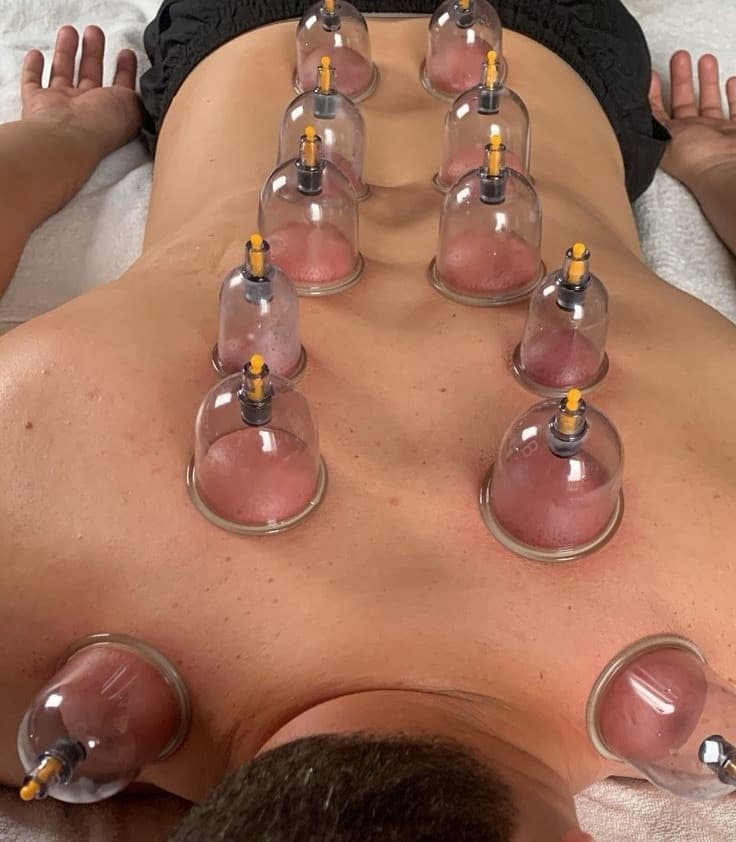
Wet Cupping (Hijama) is one of the oldest traditional therapeutic practices and continues to be used as a complementary wellness therapy around the world. At Relief Plus Wellness, we provide Hijama using strict hygiene standards, sterile equipment, and an evidence-informed approach.
What Is Wet Cupping (Hijama)?
Wet Cupping (Hijama) combines gentle suction with small, superficial skin incisions made using sterile, single-use instruments. After the skin is lightly incised, the cups are reapplied to draw a small amount of blood from the superficial layers of the skin. Unlike Dry Cupping, Wet Cupping involves controlled bloodletting performed under strict infection-control protocols.
Why Do People Choose Hijama?
People choose Wet Cupping for a variety of personal, cultural, religious, and wellness reasons. Many seek it for relaxation, muscle tension, neck and shoulder discomfort, back pain, general wellness, or as part of traditional health practices.
What Happens During a Hijama Session?
Your appointment begins with a health assessment where your practitioner reviews your medical history, medications, allergies, pregnancy status, bleeding disorders, and previous Hijama experience. The treatment area is then cleaned, gentle suction is applied, small superficial incisions are made using sterile single-use instruments, the cups are reapplied to collect a small amount of blood, and the area is cleaned and dressed. Most sessions last between 30 and 60 minutes.
Does Hijama Hurt?
Most people describe Hijama as causing mild discomfort rather than significant pain. You may feel gentle suction, light scratching during the superficial incisions, and mild tightness. Your practitioner can adjust or stop the treatment if you experience excessive discomfort.
Is Wet Cupping Safe?
When performed by a properly trained practitioner using sterile equipment and appropriate infection-control procedures, Wet Cupping is generally considered safe for suitable candidates. Temporary soreness, mild bruising, light bleeding, skin discoloration, dizziness, or small scars may occasionally occur.
What Does the Research Say?
Research suggests Wet Cupping may provide short-term relief for certain musculoskeletal pain conditions. However, many studies are small, more high-quality clinical trials are needed, and there is insufficient evidence to support claims that Hijama cures chronic diseases, detoxifies the blood, or replaces conventional medical care.
Who Should Avoid Wet Cupping?
Wet Cupping may not be appropriate for people with bleeding disorders, those taking anticoagulant medication without medical clearance, severe anemia, active skin infections, open wounds, deep vein thrombosis (DVT), uncontrolled diabetes with poor wound healing, fever, acute illness, or certain stages of pregnancy. A health assessment should always be completed before treatment.
Frequently Asked Questions
Does Hijama remove toxins from the blood?
No. There is no scientific evidence that Wet Cupping removes toxins from the blood. The liver, kidneys, lungs, and digestive system naturally remove waste products from the body.
Does Hijama cure disease?
No. Hijama should not be considered a cure for any disease. Some individuals report temporary improvements in muscle tension or discomfort, but results vary and scientific evidence remains limited for many conditions.
How much blood is removed?
Only a small amount of superficial blood is typically collected. The exact amount depends on the treatment area and your individual response.
Are the blades reused?
No. Professional practitioners use sterile, single-use blades or lancets and dispose of them immediately after each treatment.
Can I drive home afterward?
Most people can drive home after treatment. However, if you feel lightheaded or dizzy, you should rest until you feel fully recovered.
Can I exercise after Hijama?
It is generally recommended to avoid strenuous exercise for the remainder of the day to allow your body time to recover.
Will there be marks?
Yes. Temporary circular marks from the cups and small scabs from the superficial incisions are normal and usually heal over the following days.
How should I care for the treated area?
Keep the area clean, avoid swimming for 24 hours, avoid scratching the skin, replace dressings if needed, and monitor for signs of infection such as increasing redness, swelling, pus, fever, or severe pain.
Choosing a Qualified Hijama Practitioner
Choose a practitioner who uses sterile, single-use equipment, follows strict infection-control procedures, performs a thorough health screening, explains the procedure clearly, obtains informed consent, maintains a clean clinical environment, and refers clients for medical care when appropriate.
Final Thoughts
Wet Cupping (Hijama) has a long history as a traditional wellness practice and continues to be used by many people today. At Relief Plus Wellness, we provide safe, respectful, and evidence-informed care while helping clients understand both the potential benefits and the current scientific evidence surrounding Hijama.
Relief Plus Wellness proudly serves patients from Leslieville, The Beaches, East York, Riverdale, Danforth, Greenwood-Coxwell, Upper Beaches, Little India, Scarborough, Downtown Toronto, and surrounding East Toronto communities.
Related Pages