
Head Massage: What to Expect Before Your First Session
Relief Plus Wellness Team · July 31, 2026 · 7 min read
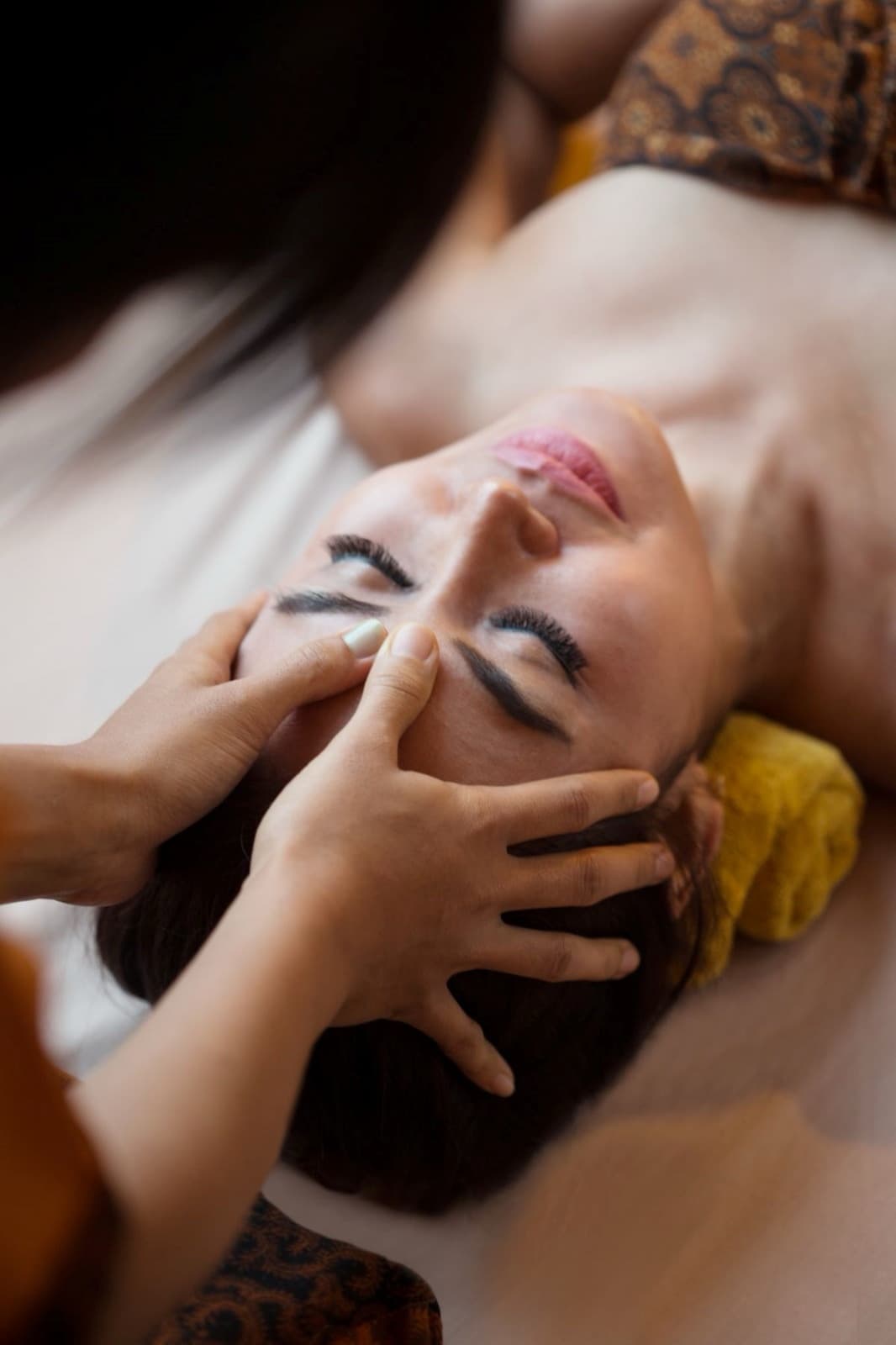
A professional head massage can be an excellent way to unwind after a busy week, relieve muscle tension around the scalp and neck, and promote relaxation. At Relief Plus Wellness, we offer professional head massage services in Toronto and East Toronto as part of our holistic wellness approach. Whether you're looking to relax, reduce everyday muscle tension, or simply enjoy dedicated self-care, knowing what to expect can help you feel more confident before your visit.
What Is a Head Massage?
A head massage is a manual therapy that focuses on the scalp, forehead, temples, ears, neck, and sometimes the upper shoulders. Depending on your treatment, your therapist may also include the upper back to help relieve muscular tension that contributes to discomfort around the head and neck.
Unlike medical treatment, a head massage is intended to promote relaxation, improve comfort, and reduce muscle tension. It is not designed to diagnose or treat neurological or medical conditions.
Why Do People Book a Head Massage?
People choose head massage for many different wellness reasons, from reducing stress to easing muscle tightness caused by everyday activities.
- Relaxation after a stressful day
- Muscle tightness in the neck and shoulders
- Scalp tension
- Screen-related posture fatigue
- Mental relaxation
- Wellness and self-care
Many office workers spend hours using computers or mobile devices, which can contribute to muscle tightness around the neck and shoulders. A head massage may help relieve some of this muscular tension.
What Happens During Your First Appointment?
Before your session begins, your therapist will ask a few questions about your health history and current concerns. You may be asked about headaches or migraines, neck injuries, recent surgeries, scalp conditions, allergies to oils or lotions, pregnancy, and areas that feel particularly tense. This information helps tailor the treatment to your individual needs.
You'll usually sit in a comfortable chair or lie on a massage table. Depending on the treatment, your therapist may use little or no oil. If oils are used, they are typically applied sparingly.
- Gentle circular movements across the scalp
- Fingertip pressure
- Kneading of the neck muscles
- Light stretching of the neck
- Massage around the temples and forehead
- Gentle work around the ears and jaw
Pressure should always remain comfortable. If any technique feels too intense, let your therapist know so adjustments can be made.
Will It Hurt?
A professional head massage should generally feel relaxing rather than painful. Some tenderness may occur around tight muscles in the neck or shoulders, particularly for people who spend long hours at a desk, but sharp or severe pain is not expected.
Tell your therapist immediately if you experience sharp pain, dizziness, nausea, increased headache, tingling, or numbness during the treatment.
How Long Does a Session Last?
- 30 minutes
- 45 minutes
- 60 minutes
Longer appointments may include additional work on the neck, shoulders, and upper back.
Potential Benefits
Research on massage therapy suggests it may help some individuals experience reduced stress, temporary relief of muscle tension, improved relaxation, better mood, reduced perception of discomfort, and an enhanced sense of well-being. Individual responses vary, and massage is not a substitute for medical treatment.
Can Head Massage Help with Headaches?
Some people report temporary relief from tension-type headaches after massage therapy, particularly when muscle tightness in the neck and shoulders is involved. However, massage is not a cure for migraines and should not replace medical evaluation for persistent or severe headaches. Sudden or severe headaches require prompt medical attention.
What Does the Research Say?
Studies suggest massage therapy may reduce stress and promote relaxation by influencing the nervous system. Some research also indicates massage may provide short-term relief for tension-related discomfort and improve quality of life in certain individuals. Although evidence for headache relief is promising, additional high-quality research is still needed.
How to Prepare for Your Appointment
- Wear comfortable clothing.
- Arrive a few minutes early.
- Remove hair accessories if possible.
- Inform your therapist about scalp sensitivity or recent injuries.
- Stay hydrated.
If you prefer not to have oil used in your hair, let your therapist know before the session begins.
What Happens After the Massage?
Many clients report feeling calm and refreshed after a head massage. Some people notice reduced muscle tension, temporary soreness in tight areas, increased relaxation, or an improved sense of well-being. Because massage can be deeply relaxing, some clients feel sleepy afterward.
When Should Head Massage Be Avoided?
- Open wounds on the scalp
- Active skin infections
- Recent head injury
- Recent brain surgery
- Severe uncontrolled high blood pressure (unless cleared by a healthcare provider)
- Fever or contagious illness
Your therapist may recommend postponing treatment until it is safe to proceed.
Frequently Asked Questions
Will the massage make my hair oily?
Not necessarily. Many therapists use little or no oil for head massage. If oil is used, it is usually applied in small amounts, and you can request an oil-free treatment.
Can head massage promote hair growth?
Some small studies suggest scalp massage may temporarily increase blood flow to the scalp, but there is currently insufficient evidence to conclude that head massage reliably promotes hair growth or treats hair loss.
Is head massage safe?
For most healthy adults, professional head massage is generally considered safe when performed by a trained practitioner. Certain medical conditions may require treatment modifications or avoidance.
Can it help reduce stress?
Research suggests massage therapy may promote relaxation and reduce perceived stress for many people, although individual experiences vary.
Should I wash my hair before my appointment?
It isn't required, but many clients prefer to arrive with clean hair, especially if oils may be used during the treatment.
Choosing a Qualified Practitioner
- Experienced therapists
- Clean and professional environment
- Individualized care
- Clear communication
- Thorough health screening
- Evidence-informed practice
A qualified practitioner will adjust the treatment according to your comfort, preferences, and health history.
Final Thoughts
A professional head massage is a relaxing wellness service that can help reduce muscle tension, promote relaxation, and provide a calming break from everyday stress. While it is not a medical treatment, many people find it to be a valuable part of their self-care routine. Knowing what to expect before your first appointment can help you feel informed, comfortable, and ready to enjoy the experience.
Relief Plus Wellness proudly serves patients from Leslieville, The Beaches, East York, Riverdale, Danforth, Greenwood-Coxwell, Upper Beaches, Little India, Scarborough, Downtown Toronto, and surrounding East Toronto communities.