
Osteopathy in Toronto & East Toronto: What to Expect During Your First Visit
Relief Plus Wellness Team · July 31, 2026 · 9 min read
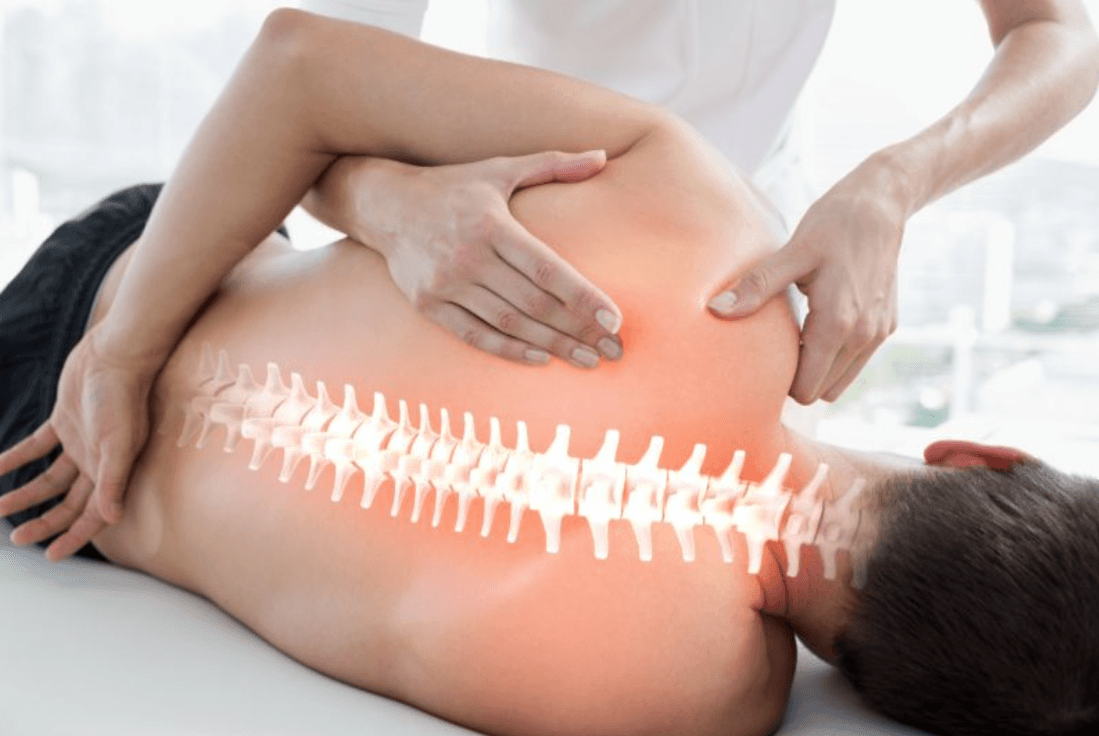
If you're considering osteopathic therapy for the first time, it's natural to have questions. You may be wondering what happens during an appointment, whether treatment is painful, or if osteopathy is appropriate for your concerns.
At Relief Plus Wellness, we provide personalized osteopathic care for clients across Toronto and East Toronto. Our goal is to help you move more comfortably through gentle, hands-on techniques while ensuring you understand every step of your treatment.
This guide explains what osteopathy is, what to expect during your first visit, potential benefits, and what current research says.
Note: In Ontario, different practitioners may use the title 'osteopath' differently. Always confirm your provider's education, qualifications, and scope of practice before beginning treatment.
What Is Osteopathy?
Osteopathy is a manual therapy that focuses on how the body's muscles, joints, fascia (connective tissue), nerves, and circulation work together. The goal is to improve movement, reduce areas of tension, and support the body's natural function through hands-on assessment and treatment.
Osteopathic techniques may include:
- Soft tissue massage
- Joint mobilization
- Gentle stretching
- Myofascial release
- Muscle energy techniques
- Craniosacral approaches (used by some practitioners)
- Postural assessment and movement education
Every treatment plan is individualized based on your health history and physical assessment.
Why Do People Seek Osteopathic Treatment?
- Back pain
- Neck pain
- Joint stiffness
- Muscle tightness
- Sports-related discomfort
- Poor posture
- Reduced mobility
- General musculoskeletal wellness
Some clients also choose osteopathy as part of a broader wellness plan alongside therapies such as acupuncture or massage.
What Happens Before Treatment?
Your first appointment begins with a detailed consultation. Your practitioner may ask about your current symptoms, medical history, previous injuries, surgeries, medications, daily activities, exercise habits, work posture, and wellness goals.
This discussion helps identify factors that may be contributing to your symptoms and determines whether osteopathic treatment is appropriate.
Physical Assessment
Next, your practitioner performs a physical assessment. This may include evaluating:
- Posture
- Walking pattern (gait)
- Joint mobility
- Muscle flexibility
- Range of motion
- Balance
- Areas of tenderness
You may be asked to perform simple movements so your practitioner can better understand how your body functions.
What Happens During Treatment?
Treatment is entirely hands-on. Depending on your needs, your practitioner may use:
- Gentle joint mobilization
- Muscle stretching
- Soft tissue techniques
- Myofascial release
- Gentle pressure
- Movement-based techniques
Treatment is generally comfortable and adapted to your tolerance. Unlike acupuncture, no needles are used during osteopathic treatment.
Does Osteopathy Hurt?
Most osteopathic techniques should not be painful. You may experience gentle stretching sensations, mild pressure, or temporary tenderness in tight muscles. If a technique feels uncomfortable, let your practitioner know so it can be adjusted.
Some clients experience mild soreness for a day or two after treatment, similar to what may occur after exercise.
How Long Is the Appointment?
- 45 to 60 minutes for the initial appointment
- Health history review
- Physical assessment
- Hands-on treatment
- Home care recommendations
Follow-up appointments may be shorter depending on your treatment plan.
What Does the Research Say?
Research on osteopathic manual therapy has expanded in recent years. Current evidence suggests osteopathic treatment may provide short-term improvements in pain and physical function for some musculoskeletal conditions, including:
- Chronic low back pain
- Neck pain
- Certain joint-related conditions
However, research quality varies, more high-quality clinical trials are needed, and results differ between individuals. Osteopathy should be considered a complementary approach and not a replacement for necessary medical care.
What Should You Wear?
Wear comfortable clothing that allows easy movement. Depending on the area being assessed, your practitioner may recommend:
- Athletic clothing
- Shorts
- A tank top
- Loose-fitting clothing
You will be advised in advance if any specific clothing is recommended.
What Happens After Treatment?
Following your appointment, you may notice:
- Improved mobility
- Relaxed muscles
- Mild temporary soreness
- A feeling of increased flexibility
Your practitioner may recommend:
- Gentle stretching
- Staying active
- Drinking water
- Performing simple home exercises
Recommendations will always be tailored to your individual needs.
Who Should Avoid Osteopathic Treatment?
- Recent fractures
- Severe osteoporosis
- Bone infections
- Certain cancers affecting the bones
- Acute inflammatory arthritis
- Serious neurological symptoms
Always inform your practitioner of your complete medical history before treatment begins.
Frequently Asked Questions
Will my joints crack?
Not necessarily. Some osteopathic techniques involve joint manipulation that may produce a popping sound, while many others use gentle mobilization without any cracking. Your practitioner will explain the techniques planned for your treatment.
Can osteopathy help with posture?
Osteopathy may help improve mobility and body awareness, which can support better posture when combined with appropriate exercises and ergonomic changes.
Is osteopathy the same as chiropractic care?
No. Although both involve manual therapy, they differ in philosophy, assessment methods, and treatment approaches.
How many treatments will I need?
The number of sessions depends on your symptoms, goals, and your practitioner's assessment. Some clients benefit from occasional visits, while others may require a series of treatments.
Can osteopathy be combined with acupuncture or massage?
Yes. Many clients combine osteopathy with acupuncture or massage as part of a comprehensive wellness plan, depending on their needs.
Choosing a Qualified Osteopathic Practitioner
- Explains your assessment clearly
- Performs a thorough health history
- Tailors treatment to your individual needs
- Encourages questions and informed consent
- Recommends referral to another healthcare provider when appropriate
A qualified practitioner prioritizes both safety and clear communication.
Final Thoughts
Osteopathy is a gentle, hands-on therapy that focuses on improving movement, reducing muscle tension, and supporting musculoskeletal function. Many people choose osteopathic treatment as part of their wellness routine, particularly for back pain, neck discomfort, and mobility concerns.
While research suggests osteopathic manual therapy may provide short-term benefits for certain musculoskeletal conditions, results vary, and treatment should complement—not replace—appropriate medical care.
At Relief Plus Wellness, we take the time to understand your health history, assess your individual needs, and create a personalized treatment plan that supports your long-term wellness goals.
Relief Plus Wellness proudly serves patients from Leslieville, The Beaches, East York, Riverdale, Danforth, Greenwood-Coxwell, Upper Beaches, Little India, Scarborough, Downtown Toronto, and surrounding East Toronto communities.