Tuina Oil Massage & Gua Sha: What You Should Know Before Your First Session
Relief Plus Wellness Team · July 31, 2026 · 9 min read
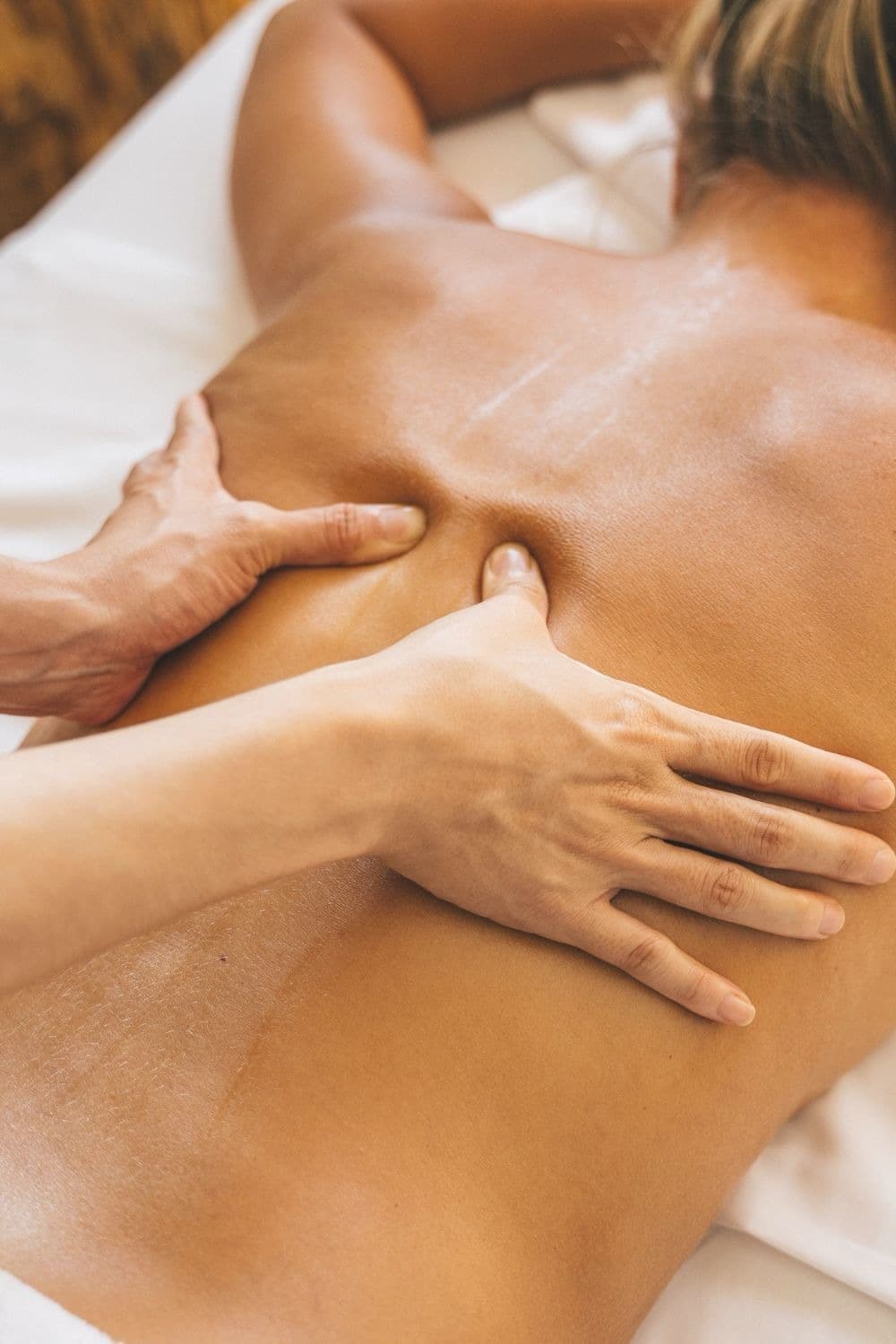
If you're exploring complementary wellness therapies, you've likely come across Tuina (Tui Na) Massage and Gua Sha. Both are traditional techniques that originated in China and have been practiced for centuries. Today, many people choose these therapies to help relieve muscle tension, promote relaxation, and support overall well-being.
At Relief Plus Wellness, we provide professional Tuina Oil Massage and Gua Sha treatments in Toronto and East Toronto. Our approach combines traditional techniques with modern safety standards and evidence-informed care, ensuring every client receives treatment tailored to their needs.
This guide explains what to expect before, during, and after your first session.
What Is Tuina Oil Massage?
Tuina (pronounced "twee-nah") is a traditional Chinese manual therapy that has been practiced for thousands of years. Unlike a relaxation massage, Tuina focuses on improving movement, reducing muscular tension, and supporting the body's natural function through a variety of hands-on techniques.
At Relief Plus Wellness, we offer Tuina Oil Massage, which combines traditional Tuina techniques with massage oil to create smoother movements and a more comfortable experience.
Your practitioner may use:
- Kneading
- Rolling
- Pressing
- Stretching
- Rhythmic compression
- Joint mobilization
- Myofascial techniques
Treatment is individualized based on your symptoms and wellness goals.
What Is Gua Sha?
Gua Sha is another traditional therapy that involves gently scraping the skin using a smooth-edged instrument made from materials such as jade, rose quartz, or medical-grade stainless steel. Massage oil is applied before controlled strokes are performed over the skin.
Common treatment areas include:
- Neck
- Shoulders
- Upper back
- Arms
- Legs
Unlike facial Gua Sha, body Gua Sha often produces temporary red or purple spots known as "sha." These marks are caused by small amounts of bleeding under the skin (petechiae) and usually fade within several days.
How Are Tuina and Gua Sha Different?
- Tuina uses hands, while Gua Sha uses a smooth-edged tool.
- Tuina focuses on muscles and joints, while Gua Sha targets superficial tissues.
- Tuina includes massage and stretching techniques.
- Gua Sha uses repeated scraping strokes.
- Tuina usually does not leave marks.
- Gua Sha often leaves temporary red or purple marks.
- Both treatments commonly use massage oil or lubricant.
Depending on your needs, your practitioner may recommend one treatment or combine both during the same appointment.
Why Do People Choose These Treatments?
- Muscle tightness
- Neck discomfort
- Shoulder tension
- Upper back stiffness
- Stress reduction
- Relaxation
- General wellness
These treatments are also popular among people who spend long hours sitting at a desk or performing repetitive movements.
What Happens During Your First Appointment?
Before treatment begins, your practitioner will review your medical history and discuss your wellness goals. You may be asked about your current symptoms, previous injuries, surgeries, medications, skin conditions, bleeding disorders, pregnancy, and previous experience with massage or Gua Sha.
This consultation helps determine whether the treatment is appropriate and allows your practitioner to tailor the session to your individual needs.
During the Treatment
Tuina Oil Massage
You will lie comfortably on a treatment table while your practitioner applies massage oil to the treatment area.
- Rhythmic pressure
- Gentle stretching
- Joint mobilization
- Muscle kneading
- Rolling movements
Pressure is adjusted according to your comfort level.
Gua Sha
If Gua Sha is included, your practitioner will:
- Apply massage oil.
- Hold the Gua Sha tool at an appropriate angle.
- Perform repeated strokes over selected muscles.
- Monitor your comfort throughout the session.
The treatment should feel firm but manageable.
Will It Hurt?
Tuina Massage is generally comfortable, although areas of tight muscle may feel tender. Gua Sha creates a stronger sensation because of the repeated scraping motion. Most people describe it as firm pressure rather than pain. If the treatment becomes uncomfortable, your practitioner can immediately adjust the pressure.
What Happens After the Treatment?
Following your appointment, you may notice:
- Relaxed muscles
- Temporary soreness
- Increased warmth in the treated area
- Temporary Gua Sha marks (if performed)
These skin markings usually fade within 3 to 7 days.
Your practitioner may recommend:
- Drinking water
- Avoiding strenuous exercise for the remainder of the day
- Keeping the treated area warm
- Avoiding hot baths or saunas immediately afterward if your skin is irritated
Potential Benefits
- Temporary reduction in muscle tension
- Relaxation
- Improved mobility
- Reduced feelings of stiffness
- Enhanced overall well-being
Responses vary between individuals.
What Does the Research Say?
Tuina Massage
Research suggests Tuina may provide short-term improvements in pain and physical function for some musculoskeletal conditions. However, many studies have methodological limitations, higher-quality clinical trials are still needed, and results vary depending on the condition being treated.
Gua Sha
Several studies suggest Gua Sha may temporarily reduce neck pain and muscle discomfort in some individuals. However, evidence remains limited, more rigorous research is needed, and it should not replace conventional medical treatment for serious conditions.
Overall, Tuina and Gua Sha should be viewed as complementary wellness therapies rather than cures.
Who Should Avoid These Treatments?
- Open wounds
- Active skin infections
- Burns
- Bleeding disorders
- Use of anticoagulant (blood-thinning) medication without medical advice
- Recent fractures
- Severe osteoporosis
- Deep vein thrombosis (DVT)
Always inform your practitioner about your medical history before treatment begins.
Frequently Asked Questions
Are the red marks from Gua Sha bruises?
Not exactly. The marks are caused by tiny blood vessels under the skin (petechiae) becoming visible after scraping. They usually fade naturally within several days.
Is Gua Sha safe?
When performed by a trained practitioner using clean equipment and proper technique, Gua Sha is generally considered safe. Temporary skin discoloration is expected.
Can Tuina replace physiotherapy?
No. Tuina is a complementary manual therapy and should not replace physiotherapy or medical care when those treatments are indicated.
Will I be sore afterward?
Some clients experience mild muscle soreness for a day or two, similar to what can occur after exercise or a deep massage.
How many treatments will I need?
The number of sessions depends on your individual goals, symptoms, and your practitioner's assessment. Some people visit occasionally for relaxation, while others receive a series of treatments.
Choosing a Qualified Practitioner
- Has formal training in these techniques.
- Performs a health assessment before treatment.
- Uses clean and sanitized equipment.
- Explains what to expect, including temporary skin marks.
- Tailors treatment to your health history and comfort level.
A professional approach helps ensure your experience is both safe and effective.
Final Thoughts
Tuina Oil Massage and Gua Sha are traditional therapies that continue to be used worldwide as part of complementary wellness care. Many people appreciate these treatments for their relaxing, hands-on approach and their potential to temporarily reduce muscle tension and stiffness.
While current research suggests they may offer benefits for some musculoskeletal conditions, the evidence is still evolving, and these therapies should not replace appropriate medical care.
At Relief Plus Wellness, we are committed to providing safe, individualized, and evidence-informed care. Whether you're new to Tuina, Gua Sha, or both, we'll help you understand what to expect and tailor your treatment to your comfort and wellness goals.
Relief Plus Wellness proudly serves patients from Leslieville, The Beaches, East York, Riverdale, Danforth, Greenwood-Coxwell, Upper Beaches, Little India, Scarborough, Downtown Toronto, and surrounding East Toronto communities.